
Affiliate disclosure: This post contains affiliate links. If you choose to make a purchase through them, I may earn a small commission at no extra cost to you. It helps support my testing and long-form reviews.
Ageing skin isn’t just about what you can see on the surface. Underneath, your face is an active system; skin, muscles, and cellular processes that respond to signals, including electrical ones. In medicine and biology, “bioelectric signalling” (natural electrical cues and fields created by ion movement) is a well-established area of research, especially in how tissues coordinate repair and how cells respond to electric fields during healing.
That doesn’t mean an at-home beauty device can “regenerate” your face like a sci‑fi film. But it does explain why microcurrent has remained a serious category in both professional and home aesthetics: it’s a non-invasive way to introduce controlled electrical stimulation… something the body already understands at a cellular level.
This review is written for consumers trying to answer one clear question: is the ZIIP HALO 2.0 actually worth buying(or upgrading to), and what makes it feel “next level” compared to many microcurrent devices?
What you’re actually buying
The ZIIP HALO 2.0 is an app-connected microcurrent device marketed as an “all-in-one skin solution,” re-engineered to deliver stronger currents you can feel working from the first treatment, with one-tap treatments delivered via the ZIIP app.
It’s sold by ZIIP Beauty (part of The Beauty Tech Group).
For UK shoppers, the official UK store lists the device at £379.99 at the time of writing (March 2026).
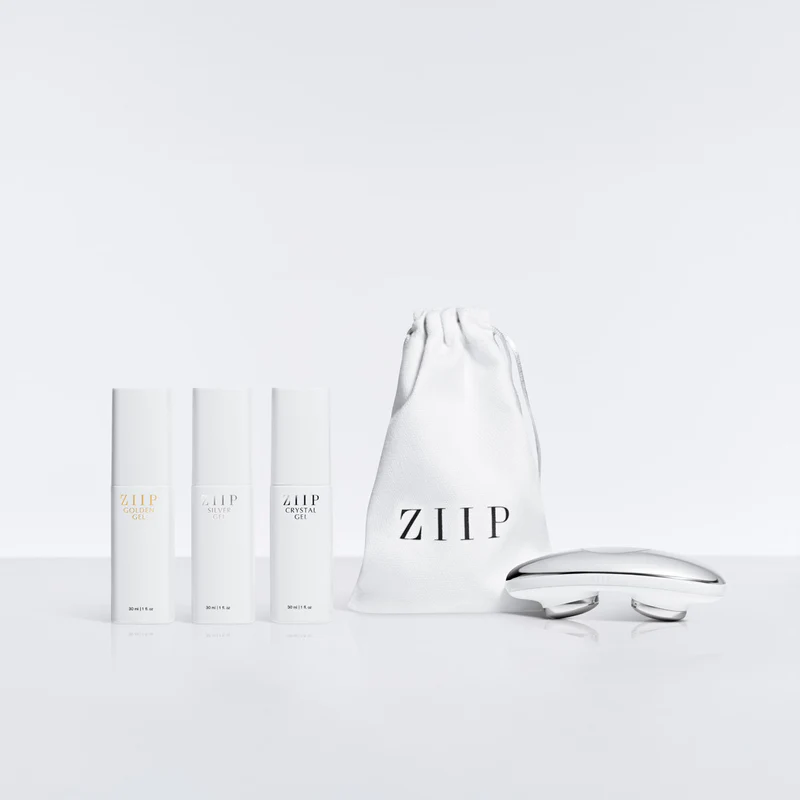
In the box, ZIIP includes the HALO 2.0 device plus three 30 ml conductive gels (Golden, Silver, Crystal), a storage bag, a USB‑C charging cable, and a user manual.
One more consumer detail that matters: there’s a 2-year warranty on manufacturing-related issues when purchased from ziipbeauty.com or an authorised retailer (per the UK product page).
The things it does well
If you’re spending nearly £400 on an at-home facial device, you want outcomes, not marketing. ZIIP’s headline “clinically proven results” claims are:
- Wrinkles and fine lines reduced by 28%
- Plumpness and firmness boosted by 27%
- Appearance of spots reduced by 44%
- Skin tone improved by 13%
- 97% saw immediate lifting and firming
From a consumer perspective, those claims translate into three “want it yesterday” categories:
First, lift and facial definition (jawline, cheeks, brows)—the “I look sharper and more awake” effect many people chase with microcurrent devices. ZIIP also positions the HALO as able to “lift, tighten, brighten and more” through app-selected treatments.
Second, fine lines and texture—not as an overnight miracle, but as cumulative improvement supported by consistent use (the same way fitness is cumulative). Research on home beauty devices suggests many technologies show improvements during use, but effects can decline after stopping—meaning consistency is often the real differentiator.
Third, breakout-prone skin and uneven tone—ZIIP’s app structure explicitly includes “problem skin” treatments (including spot-style routines).
More than just upgraded hardware
Most consumer microcurrent devices give you one or two modes. The ZIIP experience is different because the app is the treatment system.
ZIIP states the app offers over 17 unique “electrical facials” and 7 tailored treatment plans, organised by goals like anti-ageing, skin health, problem skin, and skin prep.
The brand also claims each facial uses a unique combination of waveform settings, and the app lets you filter by concern to match treatments to what your skin needs right now (not what it needed three months ago).
That flexibility is a big consumer win because it reduces the “drawer graveyard” problem: buying one expensive device for one problem, then abandoning it when your skin priorities change.
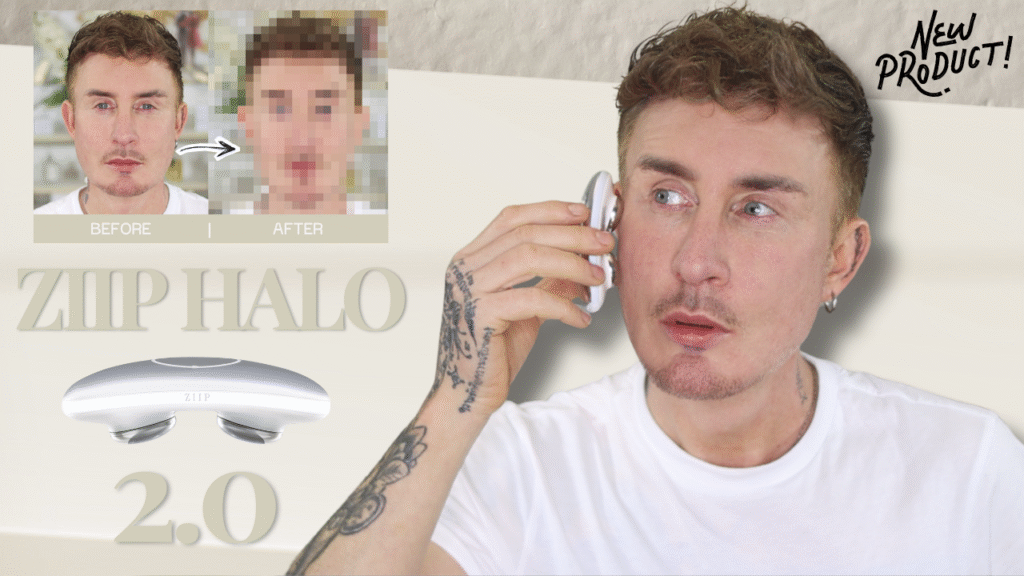
If you’re embedding my video on this page, this is where it fits perfectly: the video review explains microcurrent vs nanocurrent, shows immediate before/after, shares 6-week insights, and compares the HALO 2.0 with the original HALO, so you can decide if the upgrade makes sense for your face and routine.
What’s actually new in the HALO 2.0 upgrade
ZIIP’s official product messaging focuses on two core upgrade points: the HALO 2.0 is re-engineered with advanced technology, delivering stronger currents and a more robust design for regular use.
From a day-to-day usability standpoint, the most meaningful “new” elements you’ll notice are:
The HALO 2.0 includes three mini conductive gels (Golden, Silver, Crystal) designed to pair conductivity with skincare ingredients, so you can trial different formulas without buying full sizes upfront.
The user manual also instructs that a silicone port plug should be inserted while using the device—an unglamorous but genuinely useful detail, because gel + charging ports are a messy combination in the real world.
Finally, the device isn’t “app-only”: the manual explains the device defaults to a built-in treatment (called “The Lift”), and the unit provides movement cues (including vibration prompts) during the 4-minute routine.
How to use it for best results
If someone tells you “microcurrent didn’t work,” it’s often a usage problem, not a device problem.
ZIIP is extremely clear that conductive gel is not optional. Their guidance says the gel must be applied liberally; skin is naturally resistant to electrical currents, and without gel the device can drag, feel uncomfortable, and performance can drop.
The user guide also gives practical, consumer-friendly instructions: do a sensitivity test first, apply gel to clean dry skin, ensure good contact, and if stronger treatments feel too intense, add more gel or move slightly faster.
Frequency matters more than intensity. ZIIP recommends using the device 3–5 times per week, with a maximum of 6 times per week when following a short-term plan.
And don’t skip the boring part: cleaning. ZIIP recommends wiping away gel after each use and keeping the charging port free of gel residue to maintain performance.
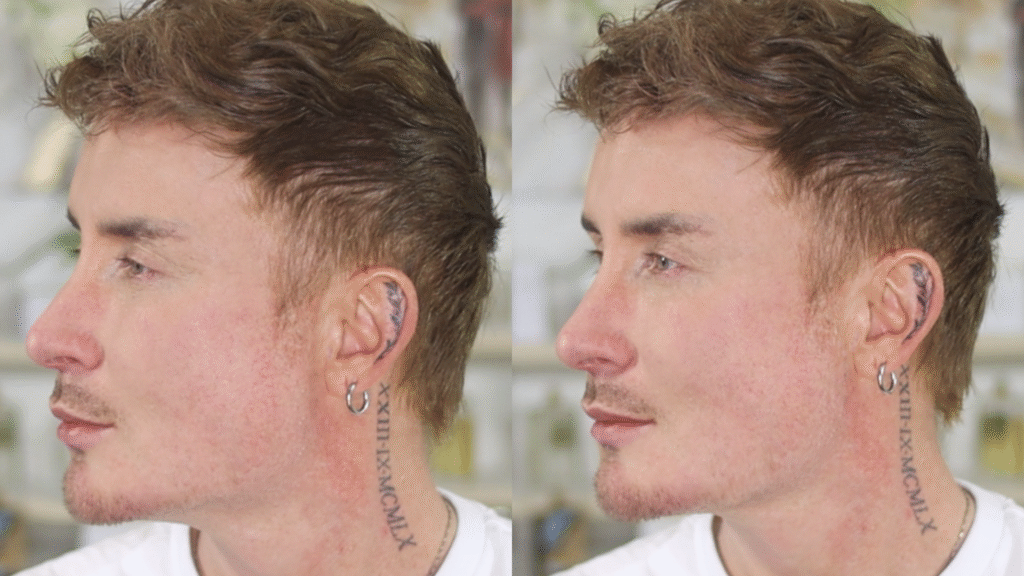
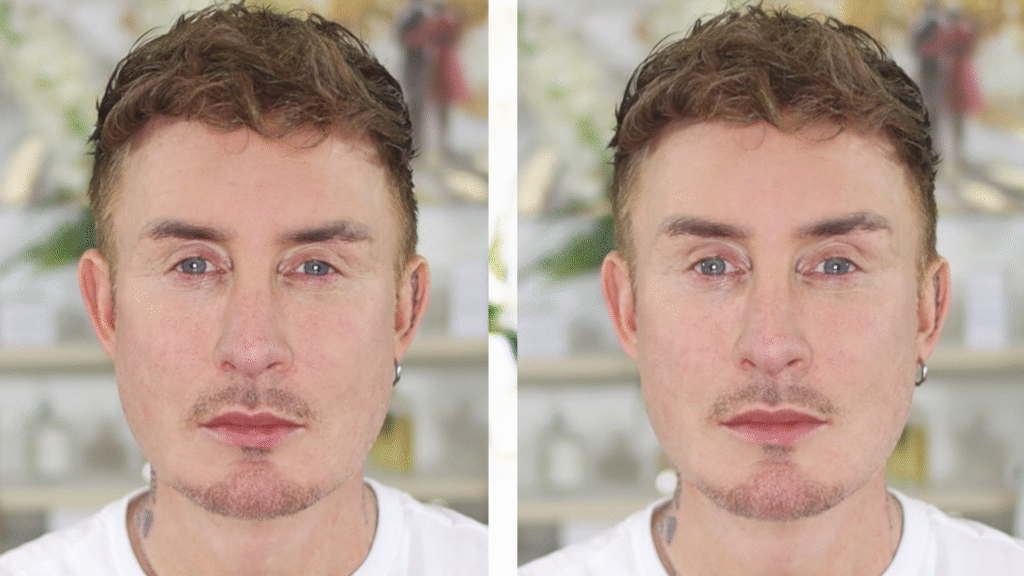
Buy (or upgrade to) the HALO 2.0 if you want an at-home device that’s built around structured programmes, not one generic mode… especially if you care about a mix of lift/definition plus tone, texture, and breakout support through app-led routines.
The HALO 2.0 is also a strong pick if you value the practical upgrades that support consistency: included gels, a storage bag, USB‑C charging, and clear guidance that makes it easier to do treatments correctly (and comfortably).
If you already own the original HALO but barely use it, the “upgrade” won’t fix that. With microcurrent-style devices, the biggest ROI comes from a routine you can actually stick to.
CTA: If you want to shop the ZIIP HALO 2.0, you can use my discount code TJZIIP at checkout.